




 7/29/2026 2:57:27 AM
 316
316Reducing sugar in beverages sounds simple: use less sugar, replace part of it with another sweetener, and keep the original flavor. In practice, the process is far more complex. Sugar does not only make a drink sweet. It also affects mouthfeel, aroma perception, acidity, bitterness and the way flavor develops from the first sip to the finish.
When sugar is reduced, a beverage may become thin, sharp or unbalanced. Fruit notes can seem less ripe, tea can taste more astringent, botanical extracts may become bitter, and high-intensity sweeteners can leave an unfamiliar aftertaste. Flavor technology helps formulators rebuild this sensory balance so that a lower-sugar product remains enjoyable and recognizable.
Reducing sugar in beverages sounds simple: use less sugar, replace part of it with another sweetener, and keep the original flavor. In practice, the process is far more complex. Sugar does not only make a drink sweet. It also affects mouthfeel, aroma perception, acidity, bitterness and the way flavor develops from the first sip to the finish.
When sugar is reduced, a beverage may become thin, sharp or unbalanced. Fruit notes can seem less ripe, tea can taste more astringent, botanical extracts may become bitter, and high-intensity sweeteners can leave an unfamiliar aftertaste. Flavor technology helps formulators rebuild this sensory balance so that a lower-sugar product remains enjoyable and recognizable.
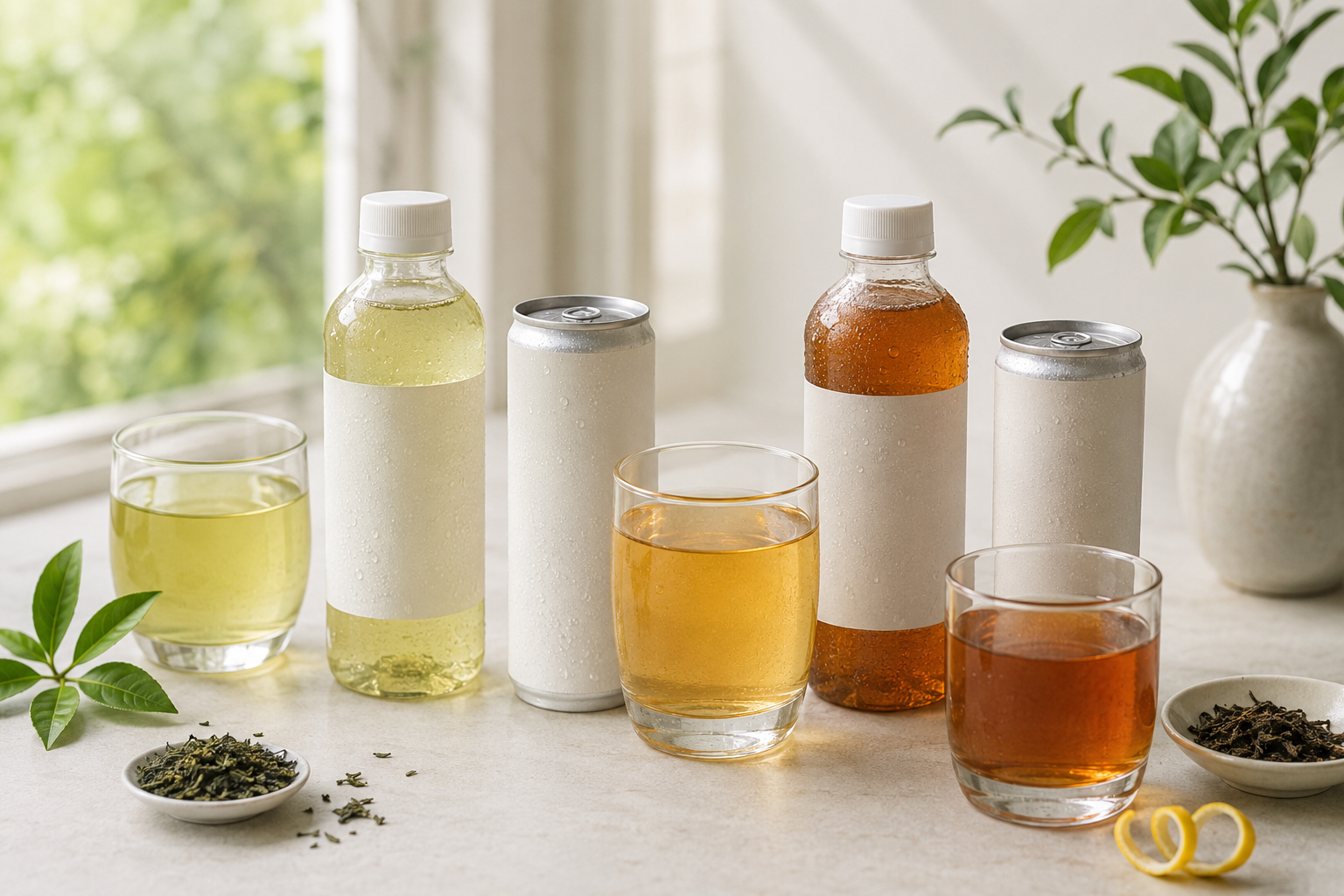
Why Does Reducing Sugar Change More Than Sweetness?
Sugar is an important part of the beverage’s overall sensory structure. It softens acidity, rounds bitter notes and gives the liquid a fuller impression in the mouth. It can also influence how quickly aromas are released and how long the flavor remains after swallowing.
This is why simply removing sugar often changes the entire flavor profile. A citrus drink may become overly acidic even when the amount of citric acid has not changed. A berry beverage may lose its ripe, juicy character. A reduced-sugar milk tea may still smell pleasant but feel watery when consumed. In functional drinks, vitamins, minerals, amino acids, caffeine and plant extracts may become much more noticeable once sugar is reduced.
The challenge is therefore not to replace sweetness alone. It is to restore the relationship among sweetness, aroma, acidity, mouthfeel and aftertaste.
How Aroma Can Support the Perception of Sweetness
Taste and smell work together when we experience a beverage. Certain aromas are naturally associated with sweet foods and ripe fruits. Depending on the product, notes such as ripe strawberry, peach, tropical fruit, vanilla, honey or caramel may make the overall flavor seem sweeter and more rounded, even though the flavor itself does not add sugar.
This effect is based on sensory association rather than the direct sweetness of sugar. A carefully designed aroma profile can strengthen the impression of fruit ripeness, juiciness or dessert-like richness. As a result, a beverage with less sugar may still deliver the expected character.
The choice of aroma must fit the product. Vanilla may round a dairy or plant-based beverage, but it would not be suitable for every sparkling water. Ripe fruit notes can help a juice drink, while fresh peel or green notes may be more appropriate for a light tea beverage. The best solution supports the intended identity of the drink instead of making it smell artificially sweet.
Managing Bitterness, Astringency and Unwanted Notes
Sugar often hides tastes that consumers do not want to notice. Once it is reduced, bitterness from caffeine, tea polyphenols, cocoa, vitamins, minerals or botanical ingredients can become more prominent. Some proteins and plant extracts may create beany, earthy or medicinal impressions. Certain sweetener systems can also introduce metallic, licorice-like or lingering notes.
Flavor modulation can reduce the sensory impact of these unwanted characteristics. This may involve building a more complete top, middle and base note structure, using compatible masking profiles, or adjusting the flavor direction so that a difficult note feels more natural within the product.
For example, a slight bitterness may be acceptable in a grapefruit or tonic-style beverage because it matches consumer expectations. The same bitterness would feel out of place in a strawberry milk drink. Effective masking does not always mean eliminating every difficult note. It means controlling it so that it no longer disrupts the intended flavor experience.
Restoring Acid–Sweet Balance
Acidity is essential in many beverages because it provides freshness and helps define fruit character. However, sweetness and acidity are perceived in relation to each other. When sugar is reduced without adjusting the rest of the formula, the drink can taste sourer or harsher even if its measured acidity remains unchanged.
Flavor design can make acidity feel more integrated. Juicy fruit notes can give an acid system a more natural context, while rounded background notes can soften its sharp edges. In some formulations, the acid blend, sweetener combination and flavor profile should be developed together rather than evaluated separately.
This is especially important in citrus drinks, fruit beverages, sports drinks and carbonated products. A successful reduced-sugar formula should remain refreshing, but it should not create an aggressive sour attack or a dry, empty finish.
Improving Mouthfeel and Flavor Continuity
One of the most common problems in low-sugar beverages is a thin or incomplete mouthfeel. Aroma alone cannot reproduce the physical viscosity that sugar provides, but flavor technology can improve the perception of body and continuity. Creamy, juicy, pulpy, milky or rounded flavor cues can make a beverage feel more complete when they are appropriate for the product.
For a stronger result, flavor development is often combined with other formulation tools, such as fibers, proteins, hydrocolloids or suitable sweetener systems. These ingredients provide physical structure, while the flavor profile ensures that the structure matches the expected sensory character.
The sequence of perception also matters. A good beverage should have an appealing aroma before drinking, a clear flavor impact during the sip and a clean, pleasant finish. If the aroma is strong at first but disappears immediately, the drink may feel hollow. If sweetness or flavor lingers too long, it may feel heavy or artificial. Flavor systems can be adjusted to connect these stages more naturally.
Why Aftertaste Is a Major Part of Low-Sugar Formulation
Consumers often notice the difference between sugar and alternative sweeteners most clearly after swallowing. Some high-intensity sweeteners develop more slowly than sugar, while others linger longer or introduce bitter, cooling or metallic sensations. These effects vary according to the sweetener, dosage, pH, flavor direction and other ingredients in the beverage.
A well-designed flavor system can help shorten, redirect or cover an undesirable aftertaste. Citrus peel, tea, spice, cocoa, coffee or botanical notes can sometimes provide a natural bridge into the finish. In fruit and dairy-style products, soft background notes may create a smoother ending. The goal is not to hide the complete sweetener system behind a very strong flavor, but to make the sweetness profile feel more integrated with the beverage.
This work must be done in the final formula. A flavor that performs well in water may behave differently in a carbonated drink, an acidic fruit base or a protein-containing beverage.
Different Beverages Require Different Flavor Strategies
There is no universal flavor solution for every low-sugar drink. Carbonated beverages need flavors that remain lively under acidity and carbonation. Tea drinks require careful control of bitterness and astringency without losing authentic tea character. Functional beverages may need stronger masking because active ingredients can introduce complex off-notes. Dairy and plant-based drinks require attention to creaminess, protein interactions and process stability.
Fruit beverages present another challenge: consumers often associate ripe fruit with natural sweetness. If the sugar level is reduced too far without rebuilding ripeness and juiciness, the product can taste diluted or unripe. In this case, the flavor should reinforce authentic fruit maturity rather than simply increase aroma intensity.
The intended consumer experience also changes the strategy. A light, refreshing sparkling water should not taste as full as a juice drink. A sports beverage may need a clean and quick finish, while a meal-replacement drink may benefit from a richer, longer-lasting profile. The technical solution must follow the product concept.
Developing a Successful Low-Sugar Beverage
Flavor development usually begins with a clear product brief. The target sugar level, sweetener system, base ingredients, processing method, shelf-life requirements and desired consumer profile should be defined before flavor selection. A flavor cannot be evaluated accurately without understanding the complete formulation.
Bench samples are then used to compare flavor directions and dosage levels in the actual beverage base. At this stage, the development team evaluates sweetness onset, acidity, aroma quality, masking performance, mouthfeel and aftertaste. The most promising prototypes should be tested after processing and during storage because heat, light, oxygen, pH and packaging can change flavor performance over time.
Consumer expectations also need to be considered. A formulation may be technically balanced but still fail if it does not match the flavor experience associated with its category. Sensory evaluation with trained internal panels or target consumers can reveal whether the reduced-sugar product is genuinely satisfying rather than merely acceptable.
Flavor Technology Supports Sugar Reduction, but It Is Not a Standalone Substitute
Flavor technology is a powerful part of low-sugar beverage development, but it cannot replace every function of sugar by itself. The best results come from a complete formulation approach in which flavors, sweeteners, acids, texture ingredients, active components and processing conditions are considered together.
It is also important to distinguish among claims such as “low sugar,” “sugar-free” and “no added sugar.” These terms do not mean the same thing, and their legal definitions vary by market. Product developers should confirm the formulation, ingredient declaration and nutrition claim requirements in each target country before launch.
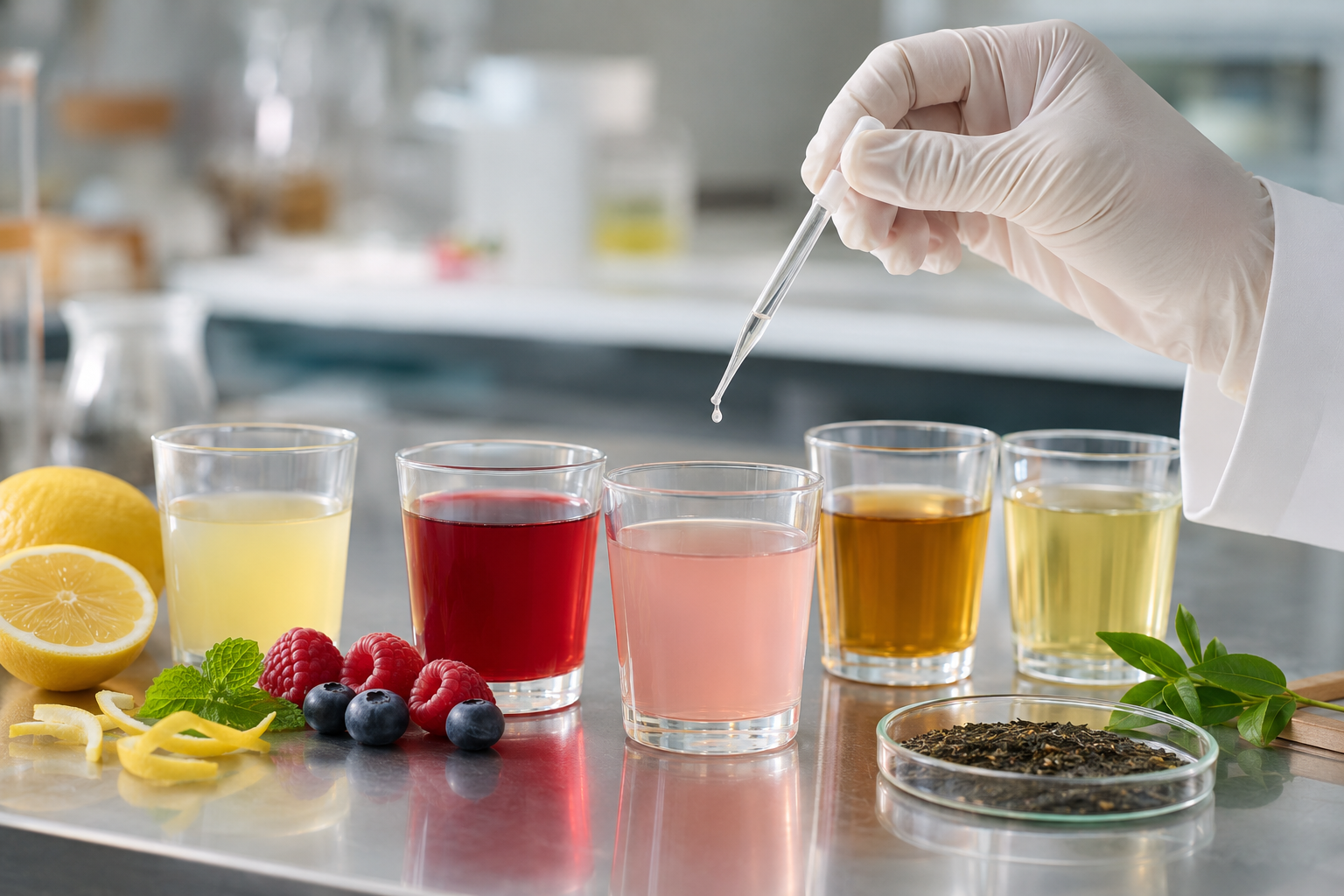
Creating a Better Drinking Experience with Less Sugar
A successful low-sugar beverage should not feel like a weaker version of the original. It should offer a balanced experience designed for its new nutritional profile. By enhancing sweetness-related aromas, managing bitterness, integrating acidity, supporting mouthfeel and refining the finish, flavor technology can help create beverages that remain appealing without relying on added sugar for all of their sensory impact.
For beverage manufacturers, the most effective approach is to develop the flavor within the real product system from the beginning. At Liangdun, we work with customers to match flavor solutions to different beverage bases, processing conditions and taste targets, helping product teams build low-sugar beverages with a cleaner, more complete and consumer-friendly flavor profile.