




 8/4/2026 6:58:44 AM
 290
290The aroma of freshly baked bread, cookies or cake is one of the strongest influences on how consumers perceive freshness and quality. However, creating an appealing flavor before baking does not guarantee that the same sensory profile will remain in the finished product.
During baking, the dough or batter is exposed to high temperatures, moisture loss and complex chemical reactions. Some aroma compounds evaporate, some interact with other ingredients, and new flavor notes are formed as the product develops its crust, color and texture. As a result, a flavor that performs well in an unbaked mixture may become weaker, unbalanced or noticeably different after it leaves the oven.
Understanding how heat processing affects bakery flavors is therefore essential when developing bread, cakes, cookies, pastries, fillings and other baked products.
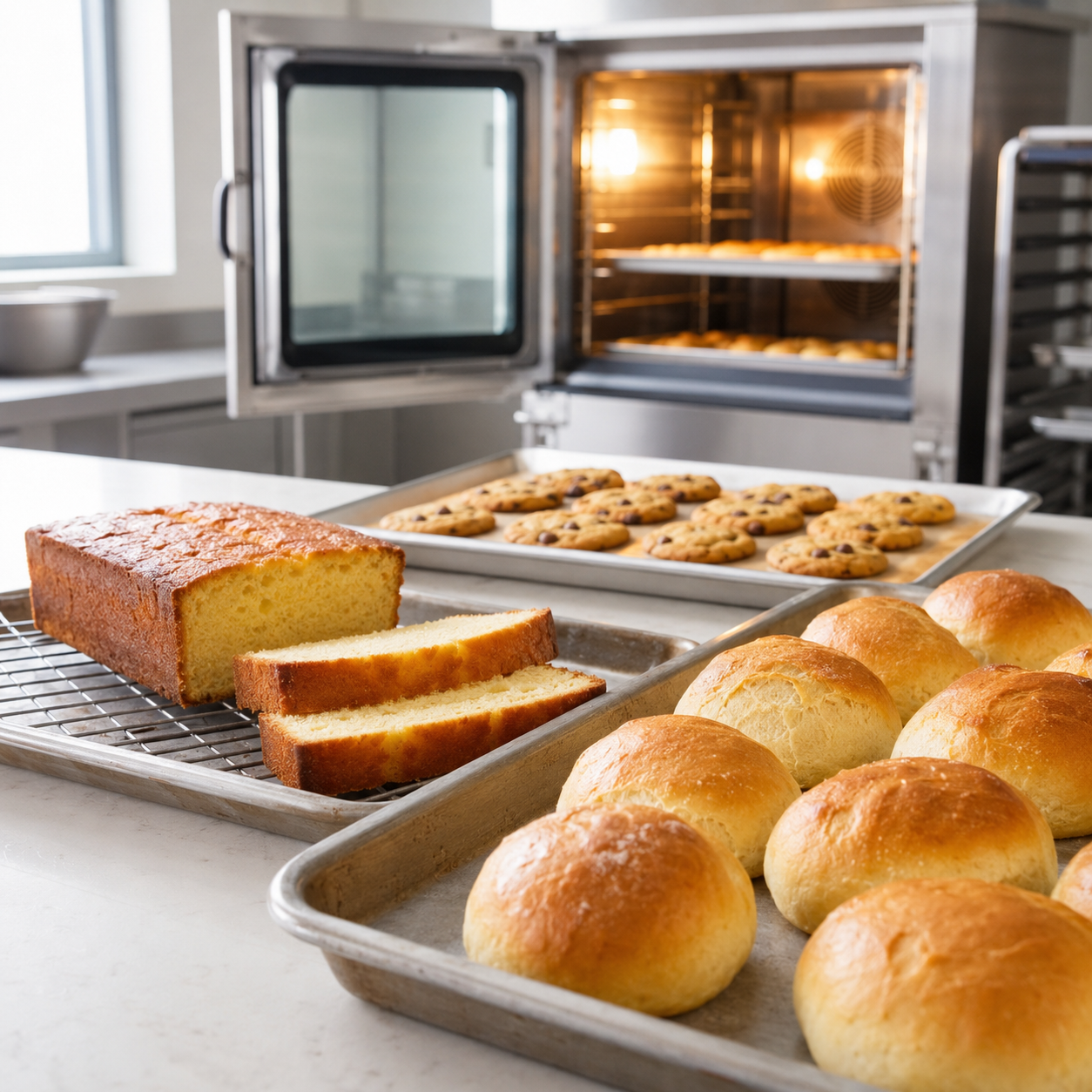
What Happens to Flavor During Baking?
Bakery flavors contain aroma compounds with different physical and chemical properties. Some are highly volatile and provide fresh, light top notes, while others are less volatile and contribute richer middle or base notes.
As the temperature rises, highly volatile compounds can move from the dough or batter into the surrounding air. Moisture escaping from the product may carry some of these compounds with it. This is why the aroma released around an oven can be very strong even though the finished product does not always retain the same flavor intensity.
Flavor loss is rarely uniform. Light creamy, fruity, floral or fresh dairy notes may disappear more quickly, while heavier buttery, caramelized, roasted or nutty notes are more likely to remain. The result may still be flavorful, but its balance can be very different from the original formulation.
Heat can also change certain aroma compounds through oxidation, hydrolysis and other reactions. At the same time, the bakery base produces new aromas through browning reactions. The final flavor is therefore a combination of the added bakery flavor, the ingredients in the recipe and the compounds formed during baking.
Oven Temperature Is Only Part of the Story
A commercial oven may operate at 160°C, 180°C or even higher, but not every part of the product reaches the same temperature.
The surface heats quickly as moisture evaporates and the crust forms. The interior normally heats more slowly and remains cooler for much of the baking process because of its higher moisture content. This creates different flavor environments within a single product.
In bread, for example, the crust develops stronger toasted, roasted and caramelized notes, while the crumb retains more moisture and usually has a softer cereal and fermented profile. In cookies, the thinner structure and lower final moisture content expose a larger proportion of the product to intense heat. This can make flavor retention more challenging. Cakes generally contain more water, fat and sugar, creating another set of conditions for flavor release and retention.
For this reason, the highest oven temperature alone cannot predict flavor performance. Baking time, product size, moisture level, airflow, position in the oven and cooling conditions must also be considered.
Flavor Loss Through Volatility
Volatility is one of the main reasons flavors change during heat processing. Aroma compounds must be volatile enough to reach the nose, but this same property makes them vulnerable during baking.
Highly volatile top notes often create the first impression of milk, butter, vanilla, fruit or other recognizable profiles. If too much of this part of the flavor is lost, the finished product may smell less fresh and less distinctive.
Simply increasing the flavor dosage does not always solve the problem. A higher dosage may strengthen the heavier notes that already survive baking while failing to restore the missing top notes. This can make the finished product taste overly sweet, heavy or artificial without delivering the intended freshness.
A more effective approach is to select or adjust a flavor according to the specific baking conditions. The balance should account for which notes are likely to remain, which notes may be transformed and how the bakery base itself contributes to the final aroma.
How Ingredients Affect Flavor Retention
The same bakery flavor can perform differently in two recipes because flour, sugar, fat, protein, water and leavening agents all influence aroma release and retention.
Fat can dissolve and hold many aroma compounds. A high-fat cookie or cake may retain certain flavor notes during processing but release them more gradually during eating. A low-fat product may release aroma more quickly, yet some volatile compounds may also be lost more easily during baking.
Sugar contributes sweetness, body, browning and overall flavor balance. Reducing sugar can make a bakery product taste thinner and may expose bitter, cereal-like or chemical aftertastes that were previously less noticeable. A flavor system developed for a conventional cake may therefore require adjustment before it can be used successfully in a reduced-sugar version.
Proteins and starches can also interact with aroma compounds. As starch gelatinizes and proteins change structure during baking, the way flavor compounds are held and released may change. Eggs, milk solids, cocoa, nuts and grains add their own characteristic aromas and can either support or compete with the added flavor.
The pH of the recipe is another important factor. Baking soda, baking powder, acidic ingredients and fermented dough systems influence browning reactions and can change the sensory direction of the finished product.
Heat Creates New Bakery Aromas
Baking does not only remove aroma; it also creates it.
Maillard reactions occur when reducing sugars react with amino compounds during heating. These reactions produce many of the roasted, toasted, nutty, malty and caramel-like characteristics associated with baked foods. Caramelization and thermal breakdown of fats and sugars can add further complexity.
These reactions are essential to the appeal of bread crust, cookies, cakes and pastries. However, they can also compete with the intended flavor. A delicate milk profile may be masked by strong roasted notes, while a chocolate, coffee or nut flavor may become richer and more desirable when supported by controlled browning.
This interaction explains why bakery flavor development must consider the complete recipe. The goal is not always to prevent heat-related change. In many products, the better strategy is to design a flavor that works together with the aromas naturally created during baking.
Different Bakery Products Require Different Flavor Strategies
Bread and fermented bakery products have a relatively long process that may include mixing, fermentation, proofing, baking and cooling. Flavor performance can be affected before the product even enters the oven. Yeast activity, fermentation time and dough acidity all contribute to the final sensory profile.
Cakes contain a complex combination of sugar, fat, eggs, flour and water. Milk, butter, vanilla, chocolate and fruit flavors must remain balanced after baking while complementing the cake’s sweetness and soft texture. The flavor also needs to perform consistently despite changes in egg content, fat type or production scale.
Cookies and biscuits usually experience more intense moisture loss. Their thin shape and dry structure can make fresh top-note retention difficult, although buttery, toasted, nutty and caramelized profiles may perform very well. The flavor must also remain pleasant throughout storage, as oxidation in fat-containing cookies can gradually produce stale notes.
Fillings and layered bakery products present another challenge. Some fillings are baked together with the dough, while others are added after baking. Heat-treated fillings require suitable stability, whereas post-baking creams or fillings can use a different flavor profile because they are exposed to less heat. When both components are flavored, their intensity must be coordinated so that one does not overpower the other.
The Importance of Cooling and Storage
Flavor development does not end when the product leaves the oven.
A freshly baked product continues to release heat, moisture and volatile compounds during cooling. If cooling is too slow or the product remains exposed for too long, additional aroma can be lost. Packaging the product too early, however, may trap excess moisture and affect texture or shelf life.
Packaging materials also influence long-term flavor quality. Oxygen exposure can accelerate fat oxidation, while some packaging materials may absorb aroma compounds. Strong aromas can also migrate between different products when incompatible varieties are stored together.
Shelf-life evaluation is therefore essential. A product that tastes balanced immediately after baking may become weaker, heavier or stale after several weeks. Bakery flavors should be assessed not only after baking but also under the product’s actual packaging and storage conditions.
How to Select a Flavor for Heat-Processed Bakery Products
A suitable bakery flavor should be selected according to the complete application rather than evaluated only in water or by smelling it directly from the bottle.
The flavor supplier should understand the product type, recipe, fat content, sugar level, baking temperature, baking time, production process, packaging format and expected shelf life. These details help determine the appropriate flavor profile, dosage and form.
Liquid flavors can disperse efficiently in many doughs, batters, fats and fillings, while powder flavors may be more suitable for dry mixes or applications where convenient handling and controlled distribution are important. The choice should depend on the formulation and manufacturing process rather than on format alone.
The point of addition also matters. Flavor should be mixed evenly, but unnecessary exposure to prolonged high-speed mixing, open holding or heat before baking may increase aroma loss. In layered products, adding flavor to both the baked base and a post-baking filling can sometimes create a fuller and more persistent sensory experience.
Why Application Testing Is Essential
Laboratory evaluation should reproduce commercial conditions as closely as possible. A flavor tested in a small home-style oven may behave differently in an industrial tunnel or rotary oven because airflow, humidity, heating rate and product load are not the same.
Samples should be evaluated in the unbaked mixture, immediately after baking, after complete cooling and during storage. The evaluation should consider more than total flavor strength. Freshness, authenticity, balance, aftertaste and compatibility with the product base are equally important.
For example, a butter flavor may smell strong before baking but lose its fresh creamy character under heat. A carefully adjusted bakery flavor may smell less intense in the batter yet deliver a fuller, more natural butter impression after baking. The performance of the finished product is therefore more important than the initial aroma of the flavor itself.
Heat Stability Must Be Evaluated in the Final Recipe
“Heat-stable flavor” does not mean that one flavor will perform identically in every bakery product. A milk flavor suitable for soft cake may not provide the same result in a low-moisture biscuit. A chocolate flavor that works in a high-fat filling may need adjustment for bread dough or a reduced-sugar cake.
True heat performance depends on the interaction between the flavor, recipe, process and packaging. This is why application-focused flavor development is more reliable than choosing a product based only on its general description.
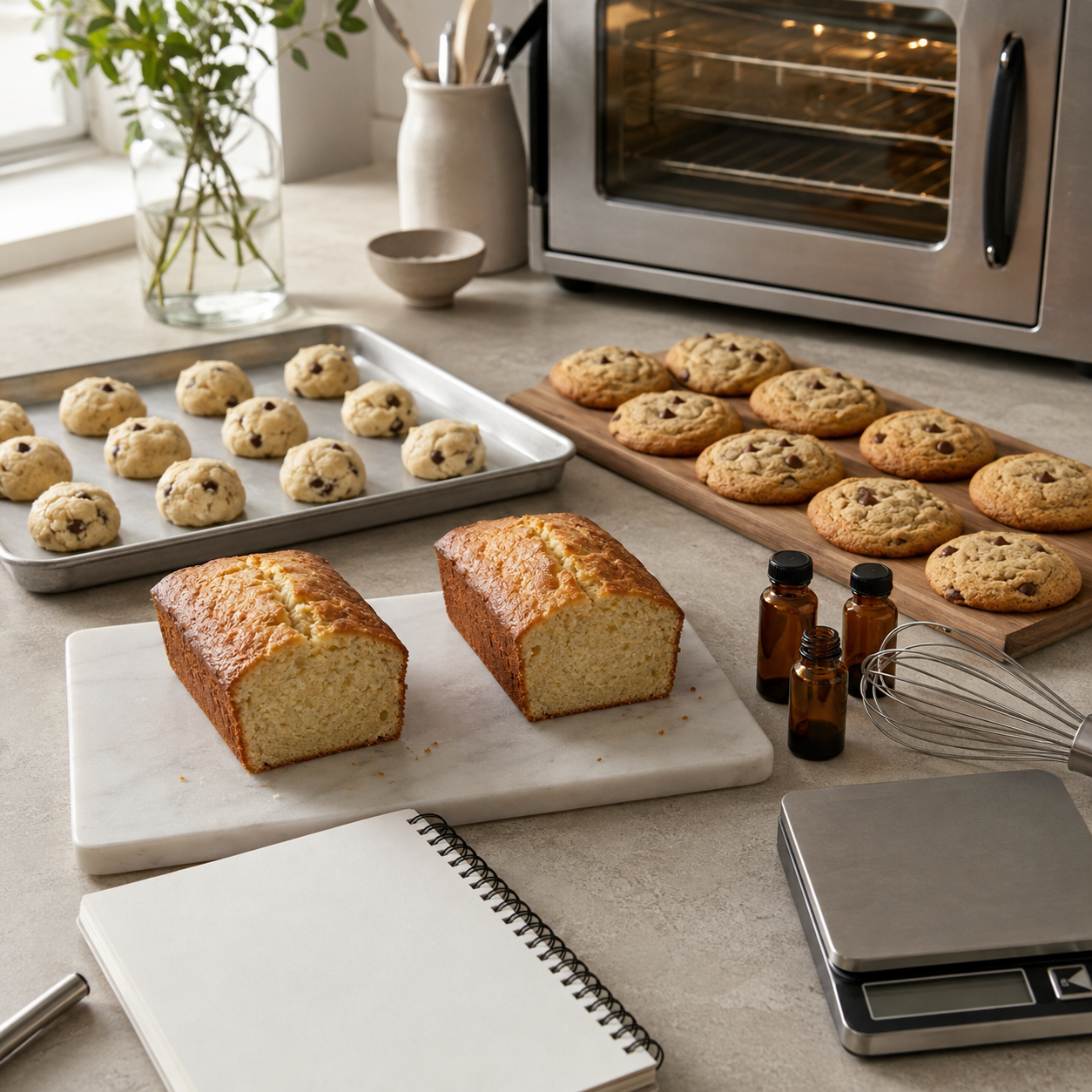
Conclusion
Heat processing affects bakery flavors through aroma evaporation, chemical transformation, ingredient interactions and the formation of new roasted and caramelized notes. The final sensory profile depends not only on oven temperature but also on baking time, product structure, moisture, fat, sugar, pH, cooling and storage conditions.
Successful bakery flavor development requires a flavor that is designed and tested for the real product. By evaluating the complete recipe and production process, manufacturers can achieve better aroma retention, a more balanced flavor profile and greater consistency from batch to batch.
Liangdun provides food flavor solutions for bread, cakes, cookies, pastries, fillings and other bakery applications. Its bakery flavor range includes milk, cream, butter, cheese, chocolate, vanilla, nut, grain, egg and salted egg yolk profiles. Through flavor selection, application testing and customized development, Liangdun helps bakery manufacturers create distinctive products with balanced aroma and reliable flavor performance after baking.