




 7/21/2026 9:34:32 AM
 295
295The global beverage industry is experiencing a significant shift as more consumers explore plant-based alternatives. From oat milk and almond beverages to soy drinks, coconut-based products, and plant protein beverages, manufacturers are continuously developing new products to meet changing consumer expectations around health, sustainability, and lifestyle choices.
However, creating a successful plant-based beverage is not simply a matter of replacing dairy ingredients with plant ingredients. While nutritional value and sustainability are important, taste remains the deciding factor for long-term consumer acceptance.
A consumer may be willing to try a plant-based beverage because of its environmental benefits, but they will only purchase it repeatedly if the product delivers a pleasant and satisfying sensory experience.
This is where flavor technology becomes essential.
Plant-based beverage development requires a deeper understanding of how natural plant characteristics interact with aroma, sweetness, texture, and mouthfeel. The goal is not only to add flavor, but to create a complete drinking experience that feels natural, balanced, and enjoyable.
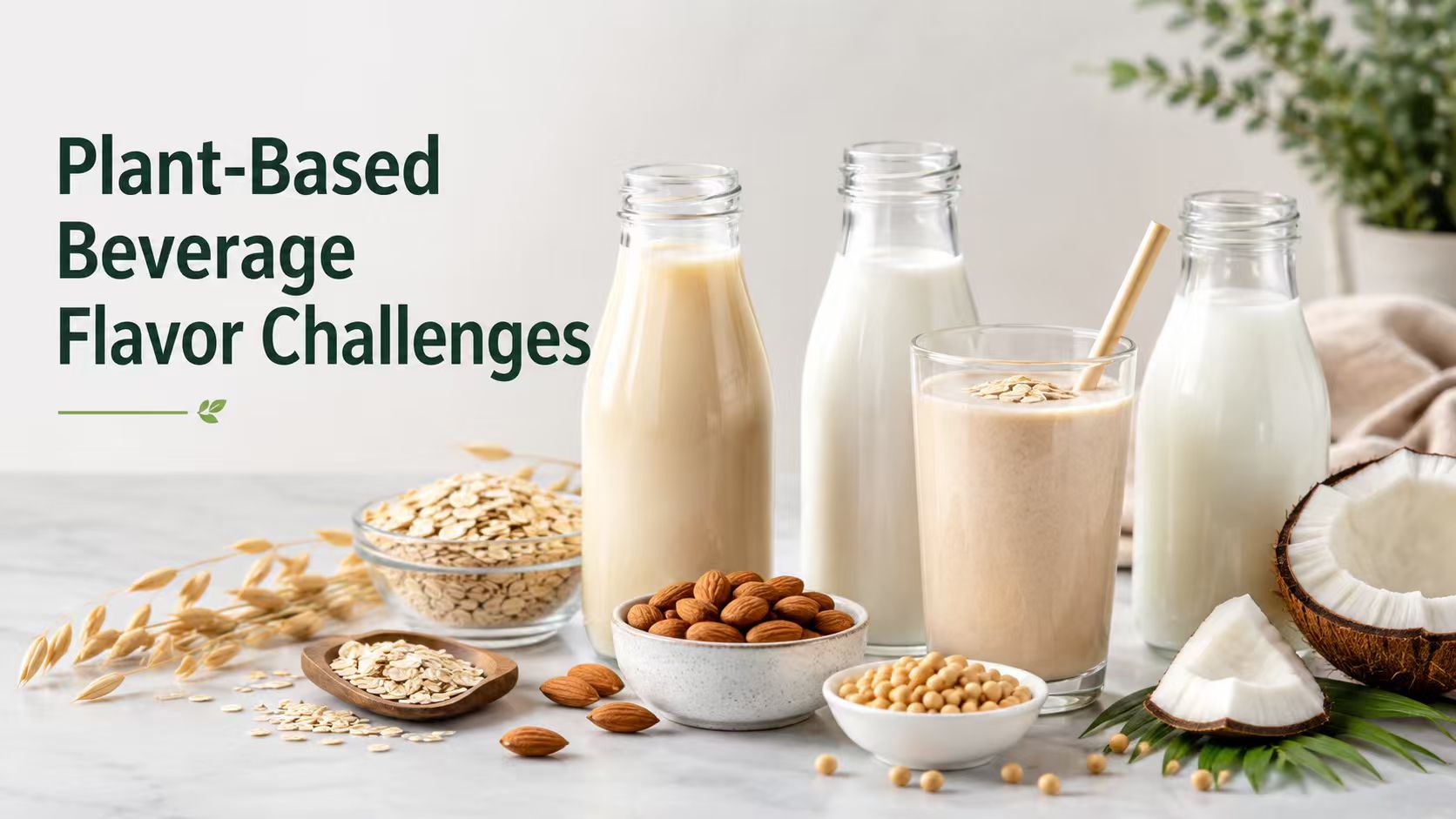
Understanding the Natural Flavor Challenges of Plant-Based Ingredients
Unlike traditional dairy beverages, plant-based drinks naturally contain their own unique sensory characteristics. These characteristics come from the proteins, oils, carbohydrates, minerals, and processing methods associated with different plant sources.
Soy-based beverages may have noticeable bean-like and green notes. Oat-based drinks often bring cereal and grain characteristics. Almond beverages can introduce nutty and roasted impressions, while pea protein drinks may create earthy or vegetal notes.
These characteristics are not necessarily negative. In fact, they contribute to the identity of plant-based products. The challenge is controlling their intensity and creating harmony between the original plant base and the desired final flavor profile.
A successful plant-based beverage should not feel like a product trying to hide its ingredients. Instead, it should deliver a balanced taste where the natural base and added flavors work together.
This balance is one of the biggest challenges for beverage developers.
Flavor Masking: Creating Balance Instead of Simply Covering Notes
Flavor masking is an important technique in plant-based beverage development, but effective masking is more sophisticated than simply adding a strong flavor.
A strong artificial flavor may temporarily cover unwanted notes, but it can also create an unnatural taste experience. Professional flavor development focuses on balancing the entire sensory profile.
For example, vanilla is widely used in plant-based beverages because it provides a smooth and familiar aroma while helping reduce harsh or unpleasant notes. Chocolate flavors can create richness and comfort while balancing protein-related aftertaste. Fruit flavors can shift consumer perception toward freshness and natural sweetness.
The most successful masking strategies create a seamless experience where consumers focus on the overall enjoyment of the beverage rather than the challenges of the plant base.
This requires understanding how aroma compounds interact with proteins, fats, minerals, and other ingredients within the beverage system.
The Relationship Between Flavor and Mouthfeel
One of the biggest differences between dairy and plant-based beverages is mouthfeel.
Traditional dairy products naturally provide creaminess through milk fat and protein structures. Many plant-based beverages have lighter textures, which can influence how consumers perceive flavor.
A chocolate oat beverage with strong chocolate aroma but a thin texture may feel incomplete. A vanilla almond drink without enough body may seem less satisfying. Even a fruit-flavored plant beverage may require additional balance between aroma intensity and texture perception.
Flavor and mouthfeel must therefore be developed together.
The perception of sweetness, creaminess, richness, and freshness is not determined by aroma alone. It comes from the interaction between flavor compounds, texture, sweetness level, and the physical structure of the beverage.
This is why beverage developers often evaluate flavor performance together with the overall drinking experience.
Choosing the Right Flavor Direction for Plant-Based Beverages
Different plant-based beverage systems naturally match different flavor directions.
Vanilla remains one of the most versatile profiles because of its ability to create smoothness and familiarity. It works particularly well in oat milk, almond beverages, soy drinks, and protein-based products.
Chocolate continues to be a strong consumer favorite because it provides a rich and comforting experience. In plant protein beverages, chocolate can help improve acceptance by creating a familiar flavor profile that consumers already enjoy.
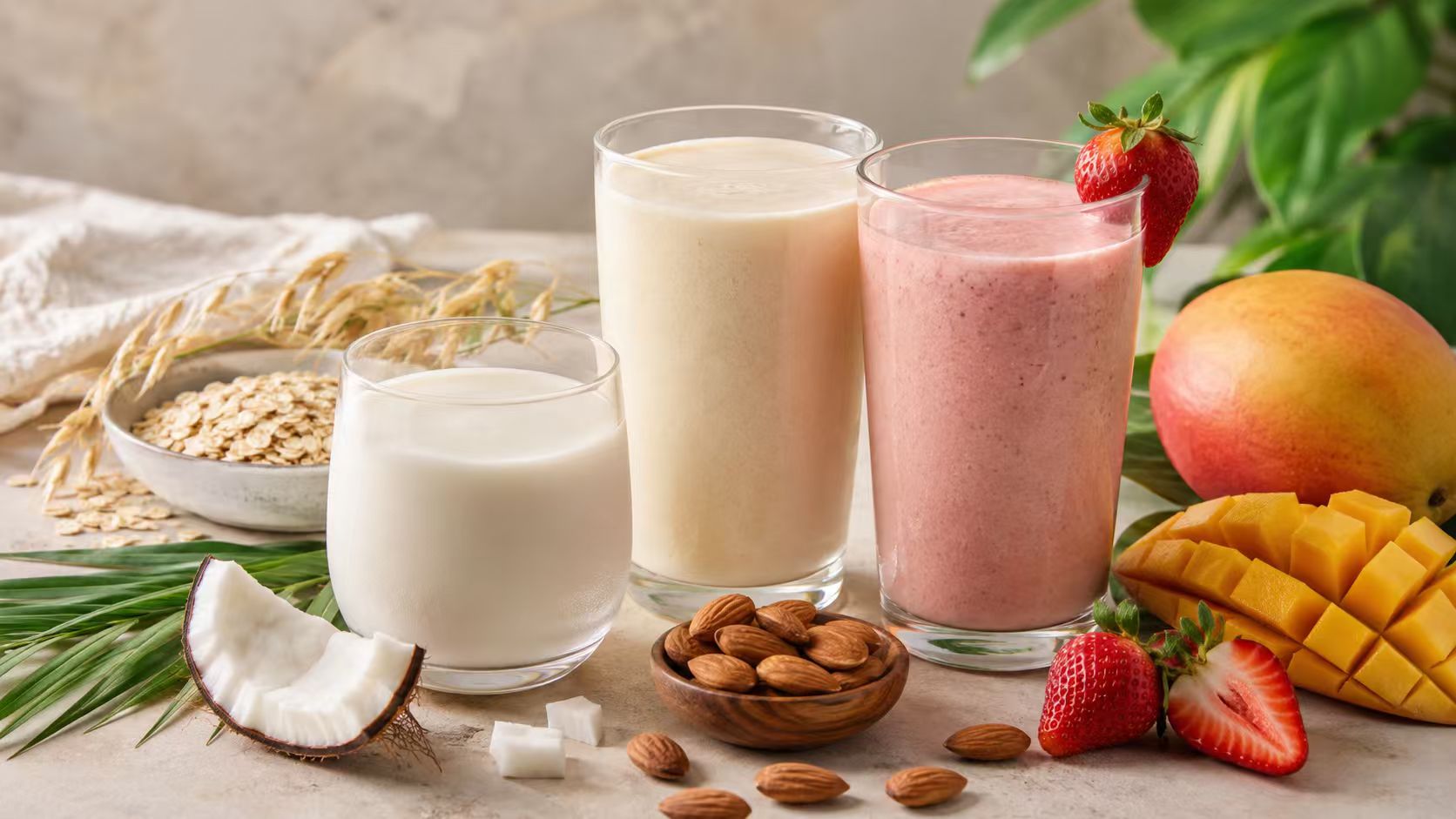
Fruit flavors bring freshness and emotional appeal. Mango, strawberry, peach, banana, blueberry, and tropical fruit combinations are widely used because they create a more vibrant and approachable beverage experience.
Tea and coffee flavors represent another important opportunity. Café-inspired plant beverages, such as oat milk latte, almond matcha drinks, and plant-based mocha beverages, combine familiar consumption habits with new product trends.
The key is selecting flavors that complement the plant base rather than competing with it.
Why Flavor Stability Is Critical in Plant-Based Beverages
Plant-based beverages often contain complex ingredients that can influence flavor performance during storage.
Proteins, minerals, oils, and natural plant compounds may interact with flavor components over time. A beverage that tastes excellent immediately after production may experience flavor fading, aftertaste changes, or reduced freshness after several months.
Processing conditions also play an important role. Heat treatment, homogenization, filling conditions, and storage temperature can all affect the final flavor experience.
For example, a fruit flavor used in a plant-based yogurt drink must remain stable in an acidic environment. A vanilla flavor used in oat milk must maintain its creamy character after thermal processing. A protein beverage flavor must continue to mask unwanted notes throughout shelf life.
This is why application testing under real production conditions is essential.
Flavor performance should be evaluated after processing and during storage, not only during the initial formulation stage.
Low-Sugar Plant-Based Beverages Require Advanced Flavor Design
Many plant-based beverage brands are also moving toward lower sugar formulations. While this direction matches consumer demand, it creates additional challenges for flavor developers.
Sugar contributes more than sweetness. It also provides body, balance, and a smoother sensory experience. When sugar is reduced, beverages may become thinner, sharper, or reveal more bitterness from plant proteins and functional ingredients.
Flavor systems can help improve the overall perception of low-sugar beverages by enhancing aroma complexity and supporting sweetness perception.
For example, vanilla can create a smoother impression. Tropical fruit flavors can provide natural sweetness perception. Citrus flavors can add freshness and brightness. Chocolate and caramel profiles can increase richness.
The relationship between sweetness and flavor is especially important in plant-based beverages because consumers expect both health benefits and enjoyable taste.
The Future of Plant-Based Beverage Flavor Innovation
The next generation of plant-based beverages will compete not only through nutrition and sustainability, but through superior sensory experiences.
Consumers are becoming more experienced with plant-based products. They no longer accept poor taste simply because a product offers environmental or nutritional benefits. They expect plant-based beverages to deliver the same level of enjoyment as traditional products.
Future innovation will focus on more natural flavor experiences, better masking technologies, improved mouthfeel, premium café-inspired concepts, and functional plant-based beverages.
Flavor suppliers will continue to play an important role in this evolution by helping manufacturers transform challenging plant ingredients into attractive consumer products.
Conclusion
Plant-based beverage development is ultimately a challenge of balance.
The right flavor system must work with the natural characteristics of plant ingredients while creating a pleasant, stable, and memorable drinking experience. Managing unwanted notes, improving mouthfeel, maintaining stability, and designing attractive flavor profiles are all essential parts of successful product development.
As the plant-based beverage market continues to expand, companies that focus on taste quality will have a stronger opportunity to build consumer trust and long-term product success.
Great plant-based beverages are not defined only by what they replace. They are defined by how much consumers enjoy drinking them.