




 8/18/2026 12:25:24 AM
 187
187Freshly baked bread, cakes, cookies, and pastries have a distinctive sensory appeal. Warm toasted notes, buttery aromas, sweet vanilla tones, and fermentation-derived nuances come together to create the impression of freshness. However, this flavor profile does not remain unchanged after the product leaves the oven. During storage, aroma compounds gradually escape or react with other components, while changes in moisture, fat, starch, and texture alter the way flavor is perceived.
Understanding these changes is important for bakery manufacturers because a product may still be microbiologically safe while no longer delivering the flavor consumers expect. Flavor stability is therefore not determined by the flavor itself alone. It depends on the complete recipe, baking process, packaging system, storage environment, and intended shelf life.
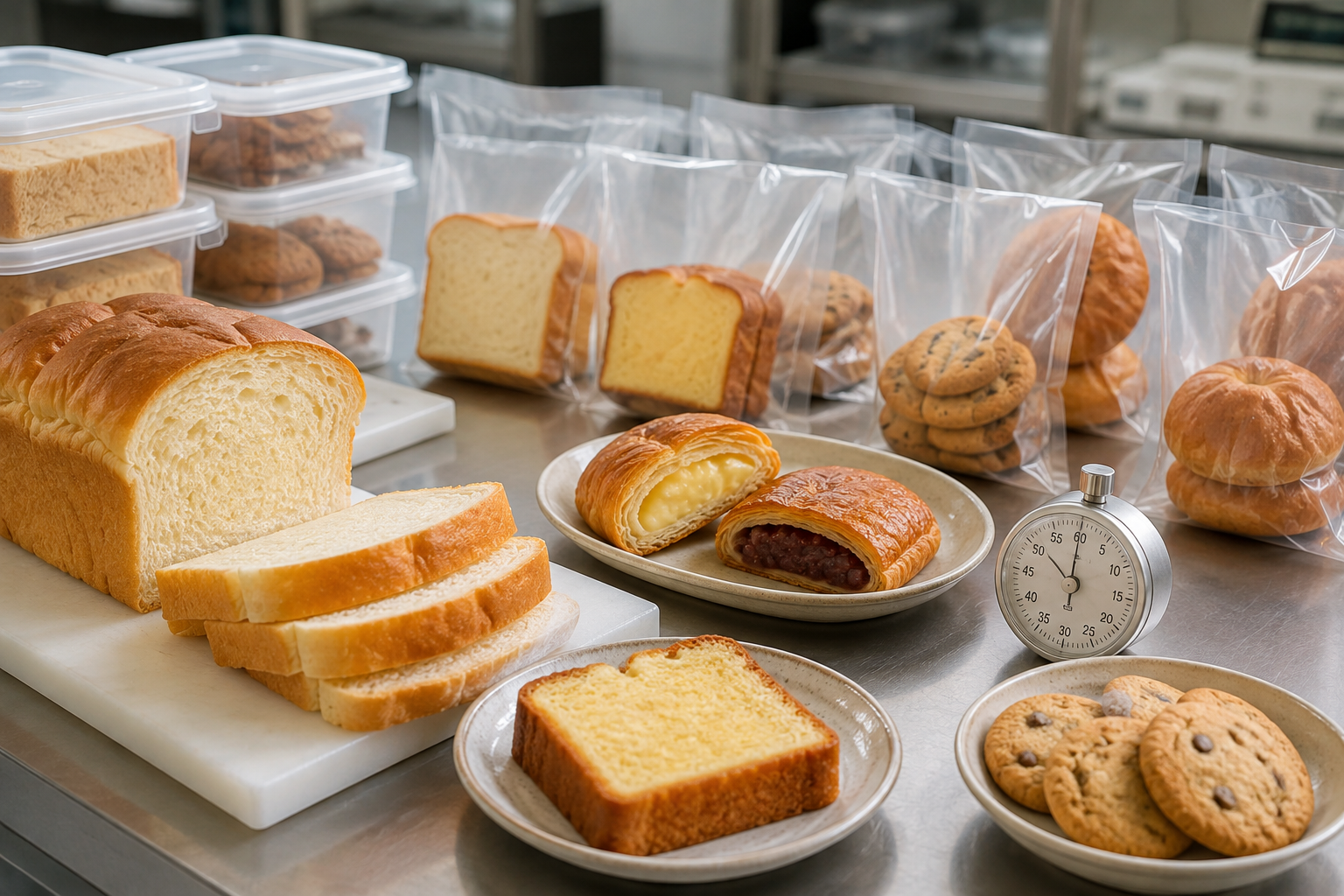
Bakery Flavor Continues to Develop After Baking
Baking creates flavor through several reactions. The Maillard reaction between amino acids and reducing sugars produces roasted, nutty, caramel-like, and crusty notes. Caramelization contributes additional sweet and toasted characteristics, while fermentation develops alcohols, organic acids, esters, and other volatile compounds in yeast-based products.
Once baking is complete, the balance begins to shift. Some newly formed aroma molecules are highly volatile and gradually move from the food into the package headspace before escaping when the package is opened. Other compounds react with oxygen, fats, proteins, or packaging materials. As the concentration and balance of these molecules change, the product may seem less fresh, less rich, or simply different from the way it tasted on the production day.
Aroma Loss and Oxidation
Many important bakery aromas are carried by volatile compounds. These compounds are responsible for recognizable notes such as butter, vanilla, milk, chocolate, fruit, caramel, and fresh bread. Because they evaporate easily, their intensity can decline throughout storage, especially when the packaging provides a weak barrier or contains a large amount of air.
Oxidation is another major cause of flavor change. Oxygen can react with both aroma compounds and lipids in the recipe. Delicate top notes often fade first, while heavier base notes may remain longer. This can make the flavor feel flatter or less balanced even when the total amount of flavor has not decreased dramatically.
Oxidation of fats can also generate undesirable cardboard-like, oily, paint-like, or rancid notes. Products containing butter, margarine, nuts, seeds, milk powder, chocolate, or high-fat fillings may be especially sensitive. Light, heat, and oxygen exposure can accelerate these reactions, which is why packaging and storage conditions have such a strong influence on finished-product flavor.
Moisture Migration Changes Flavor Perception
Water does more than determine whether a product feels soft or crisp. It also affects how aroma and taste compounds are released during eating. In a filled bakery product, moisture may move from a moist filling into a drier crust or biscuit. The outer layer can lose crispness, while the filling may become firmer or drier. Although the formula has not changed, the eating experience—and therefore the perceived flavor—can change substantially.
In cakes and soft breads, moisture loss may reduce softness and make sweetness or flavor intensity seem weaker. In cookies and wafers, moisture absorption can reduce crispness and make the product feel stale. When texture changes, chewing behavior and aroma release also change. This is why a flavor that performs well in a fresh sample may feel different after several weeks of storage.
Staling Is More Than Drying
Bread staling is often described as moisture loss, but the process is more complex. During storage, gelatinized starch molecules gradually reorganize into a more ordered structure, a process known as starch retrogradation. The crumb becomes firmer, elasticity decreases, and the bread loses its fresh sensory character.
These physical changes affect flavor perception. A softer crumb releases aroma differently from a firm, stale crumb, and consumers usually associate softness with freshness. Even if the aroma composition has changed only slightly, a harder texture can make the overall flavor seem older or less appealing. This close relationship between texture and flavor means that shelf-life work should evaluate both at the same time.
Different Bakery Products Change in Different Ways
Storage challenges vary according to product type. Bread and yeast-raised products are strongly influenced by staling, moisture redistribution, and the gradual loss of fermentation aroma. Cakes may experience moisture loss, fat oxidation, and fading of vanilla, butter, milk, or fruit top notes. Cookies and crackers often depend on crispness, so even a small increase in moisture can change their flavor impression.
Filled pastries and sandwich biscuits are more complex because the shell, filling, fat phase, and water phase interact during storage. Fruit fillings may lose fresh top notes or become more jam-like, while cream fillings may develop oxidized or waxy notes. Chocolate and nut systems can also change as fats oxidize or migrate between layers. For these products, flavor must be evaluated in the finished system rather than only in the dough or filling separately.
Packaging and Storage Conditions Matter
Good packaging helps slow flavor deterioration by controlling oxygen, moisture, light, and aroma loss. The most suitable material depends on the product. A crisp biscuit requires strong moisture protection, while a high-fat cake may also need a good oxygen barrier. Sealing quality, package size, headspace, and the use of individual wrapping can all influence performance.
Temperature is equally important. Higher storage temperatures usually increase the speed of oxidation and other chemical reactions. Repeated temperature changes can also encourage moisture movement or condensation inside the package. Exposure to sunlight or strong retail lighting may further damage light-sensitive ingredients and fats. For reliable shelf-life evaluation, manufacturers should test products under conditions that reflect actual transportation, warehousing, and retail environments—not only ideal laboratory storage.
How Flavor Selection Supports Better Stability
Flavor technology cannot stop staling, moisture migration, or fat oxidation, but appropriate flavor selection can help the intended profile remain clearer and more balanced throughout the product's shelf life. The key is to design the flavor for the complete application rather than judging it only in a freshly prepared sample.
A bakery flavor must first withstand the baking process, including heat exposure and interactions with flour, sugar, fat, protein, leavening agents, and other ingredients. It must then maintain a suitable sensory balance during storage. In some applications, a profile with good body and lasting middle and base notes may perform more consistently than one built mainly around delicate top notes. The correct dosage is also important: simply increasing flavor does not always improve stability and may create an overly strong or unbalanced taste at the beginning of shelf life.
The carrier system and the point of addition can influence performance as well. A flavor used in dough faces different conditions from one applied after baking, added to a filling, or incorporated into a coating. Testing the same flavor in the actual product and process is therefore essential.
Shelf-Life Testing Should Follow Flavor Over Time
Flavor evaluation should not stop after the first successful production trial. Samples should be assessed at planned intervals throughout the expected shelf life. A practical sensory review compares aroma before eating, flavor during the first bite, sweetness and acidity balance, texture, aftertaste, and any emerging off-notes.
It is useful to compare fresh control samples with stored samples and to keep the packaging, storage temperature, and evaluation method consistent. Instrumental analysis can provide additional information, but sensory testing remains essential because consumers experience aroma, taste, and texture together. The purpose is not only to ask whether the flavor is still detectable, but whether the product continues to deliver the intended profile in a balanced and appealing way.
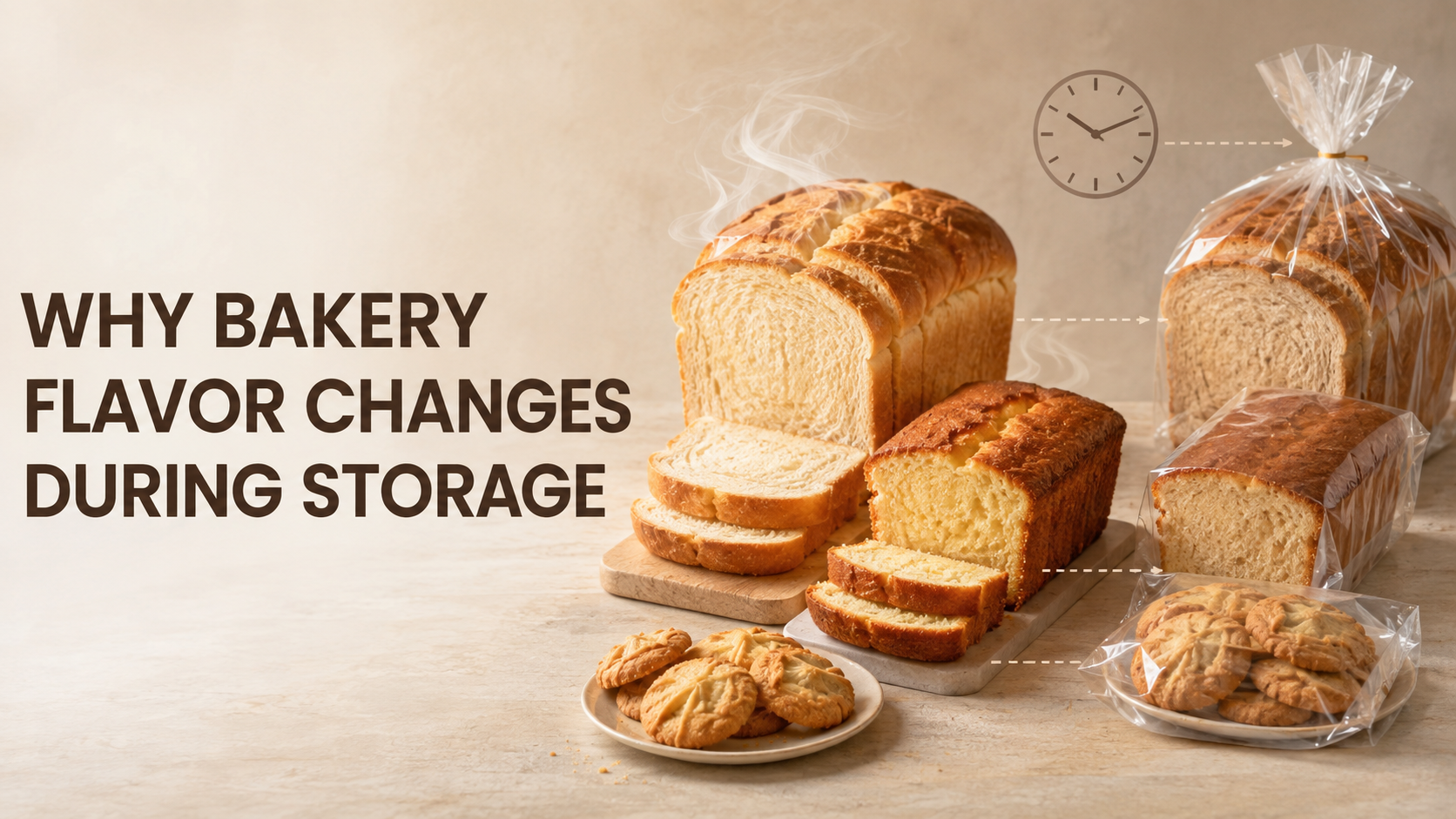
Building Flavor Stability into Product Development
Bakery flavor changes during storage because the product remains a dynamic physical and chemical system after baking. Volatile aroma loss, oxidation, moisture migration, starch retrogradation, fat deterioration, and texture changes all influence the final sensory experience. No single ingredient or processing adjustment can control every factor.
The most effective approach is to consider flavor stability from the beginning of product development. Recipe design, processing conditions, flavor selection, packaging, and shelf-life testing should be evaluated together. By testing flavors in the actual bakery base and monitoring them over time, manufacturers can make better decisions and create products that retain a more consistent, recognizable flavor from production to consumption.
Liangdun Food Flavors supports bakery manufacturers with flavor solutions developed for different doughs, cakes, cookies, pastries, fillings, and coatings. Application-based sampling and storage evaluation can help identify a flavor profile that fits both the production process and the desired shelf-life experience.