




 6/2/2026 4:55:03 AM
 436
436Introduction
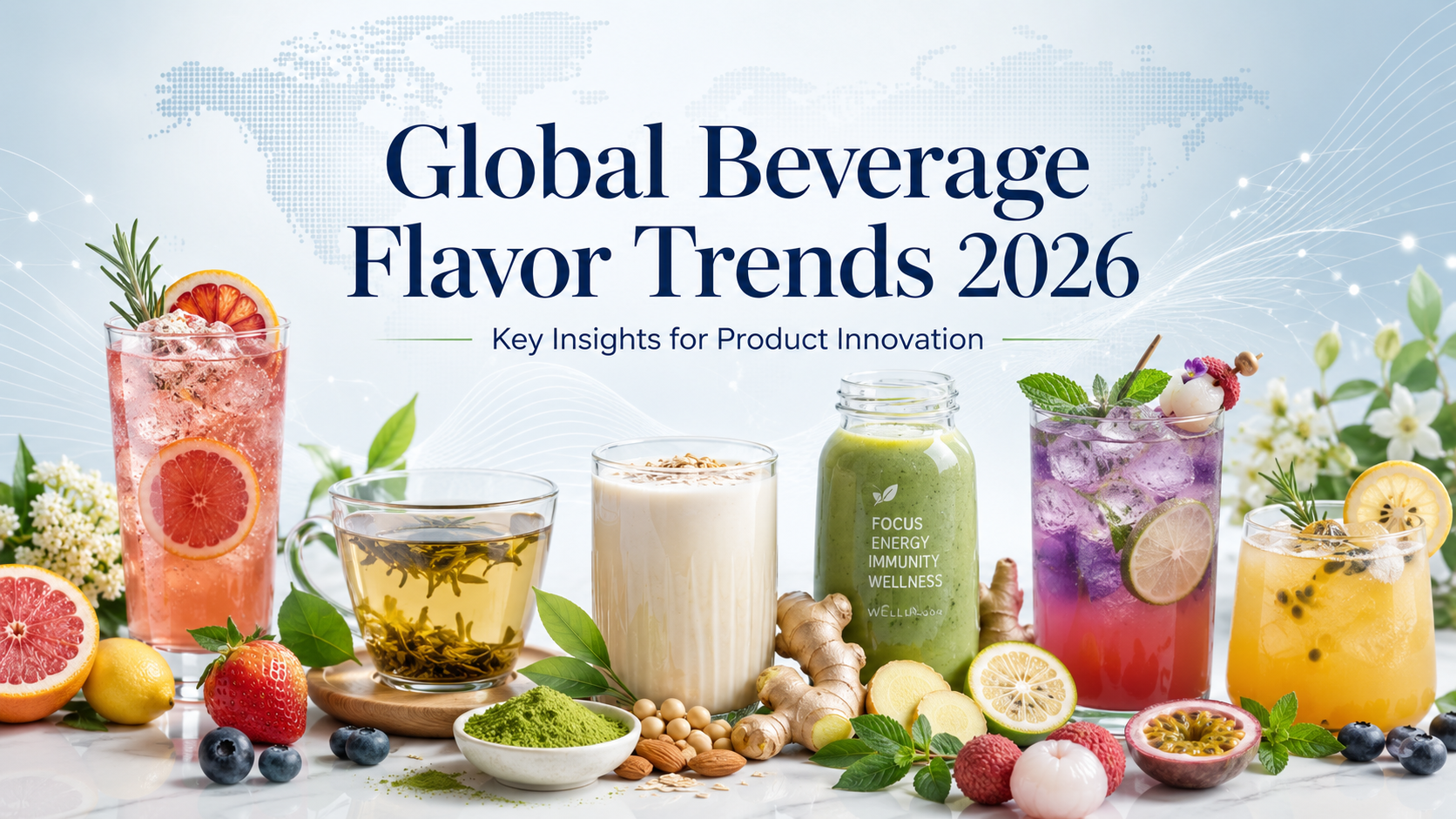
The global beverage industry is evolving rapidly, with consumers seeking healthier, natural, and innovative flavors. For food and beverage manufacturers, staying ahead of flavor trends is critical for R&D, product development, and market competitiveness. In this article, we explore the key beverage flavor trends for 2026, offering insights that can inspire new formulations and help brands connect with global consumers.
1. Functional and Wellness-Oriented Flavors
Consumers increasingly prioritize functional beverages that deliver health benefits beyond hydration. In 2026, expect a rise in flavors combined with adaptogens, botanicals, and superfoods.
Popular Functional Flavor Pairings
• Citrus + Turmeric – energizing and anti-inflammatory properties
• Ginger + Lemon – digestive and immune-boosting benefits
• Berries + Green Tea Extract – antioxidants and natural sweetness
Tip: Consider clean-label natural extracts and functional flavor blends for new product lines.
2. Exotic and Regional Taste Experiences
Globalization and travel-inspired trends continue to influence beverage flavors. Consumers are seeking unique regional profiles.
Trending Regional Flavors
• Asian Influence: Lychee, Yuzu, Matcha
• Latin Influence: Tamarind, Hibiscus, Guava
• Middle Eastern Influence: Rose, Saffron, Cardamom
Tip: Use authentic flavor formulations to capture the nuances of these regional tastes.
3. Plant-Based and Dairy Alternative Flavors
With plant-based beverages gaining popularity, flavors that complement almond, oat, soy, and coconut milk are essential.
Flavor Innovations
• Vanilla and chocolate remain staples but are being enhanced with natural spice notes
• Coffee and tea flavors adapt well to dairy alternatives
• Sweet fruit combinations (mango + coconut) appeal to younger demographics
Tip: Focus on flavors that mask plant-based notes while maintaining a natural taste profile.
4. Low-Sugar and Natural Sweetness Solutions
The demand for low-sugar beverages continues to grow. Natural sweeteners, fruit concentrates, and flavor masking agents are key.
Trending Low-Sugar Flavor Strategies
• Berry and citrus combinations for bright, natural sweetness
• Use of monk fruit, stevia, or allulose in flavor development
• Flavor layering to enhance sweetness perception without sugar
Tip: Combine functional ingredients with sweet fruit notes for appealing taste profiles.
5. Sustainability and Clean Label Flavors
Consumers are more conscious of ingredient sourcing and transparency. Sustainable and clean-label flavors are no longer optional.
Key Considerations
• Ethically sourced tropical fruits and spices
• Naturally derived flavor compounds and extracts
• Highlighting origin stories in marketing for brand trust
Tip: Communicate sustainability clearly on packaging to align with consumer values.
6. Emerging Technologies in Flavor Development
Advances in flavor technology allow for more complex, stable, and versatile formulations.
• Microencapsulation for prolonged flavor release
• Flavor emulsions for beverage stability
• Natural flavor enhancers for low-sugar and plant-based drinks
Tip: Collaborate with a flavor supplier that offers R&D support for customized solutions.
Conclusion
The 2026 beverage flavor landscape emphasizes wellness, authenticity, and innovation. Manufacturers who embrace these trends—functional, exotic, plant-based, low-sugar, and sustainable flavors—will capture consumer attention and drive product success.
Liangdun Flavor provides custom flavor development solutions for beverages worldwide. Partner with us to create innovative, on-trend flavors for your next product launch.